
Walk Like a Pharaoh: Exploring the Land Where Legends Were Born
Egypt—a land steeped in history, myth, and mystery—calls to travelers like no other destination on Earth. From the timeless pyramids of Giza to the vibrant life along the Nile, this North African jewel offers a journey not just through geography but through time itself. Walking in the footsteps of pharaohs is not just a metaphor; it’s an invitation to experience a civilization that shaped the world as we know it today.
The Majesty of Ancient Egypt
Ancient Egypt’s civilization is over 5,000 years old, making it one of the oldest and most influential in human history. The pharaohs, considered gods on earth, built monumental structures that defy imagination and stand as a testament to human ingenuity. Exploring Egypt today, you can still feel the power and prestige that once dominated the Nile Valley.
Giza Pyramids: The Pinnacle of Engineering
No trip to Egypt is complete without visiting the Giza Plateau. The Great Pyramid of Khufu, the last of the Seven Wonders of the Ancient World still standing, is a marvel of architectural precision. Standing at its base, you can’t help but marvel at how these colossal structures were built without modern machinery.
Nearby, the enigmatic Sphinx gazes over the desert, a silent guardian of the necropolis, and walking among these monuments feels like stepping directly into history. Don’t forget to explore the lesser-known pyramids of Khafre and Menkaure, which offer a quieter, equally fascinating experience.

Luxor: The World’s Greatest Open-Air Museum
Luxor is often called the world’s greatest open-air museum, and rightly so. On the East Bank, the magnificent Karnak Temple Complex stretches over 60 acres, with towering columns, massive statues, and sacred obelisks. The Luxor Temple, with its illuminated night tours, evokes the spiritual essence of Egypt as it once was.
On the West Bank, the Valley of the Kings houses the tombs of pharaohs including Tutankhamun, while the Valley of the Queens reveals the artistry and dedication to the royal families. Exploring these tombs, adorned with intricate hieroglyphics and vibrant murals, gives you a glimpse into the Egyptian belief in the afterlife—a journey that resonates across millennia.
Nile River: The Lifeline of Civilization
The Nile has been Egypt’s lifeline for thousands of years, providing water, transportation, and fertile lands that allowed civilization to flourish. A cruise along the Nile offers a serene contrast to the grandeur of temples and pyramids. Watch the sun rise over tranquil waters, passing lush fields, small villages, and the occasional camel caravan. It’s a chance to slow down and see Egypt as the pharaohs themselves might have.
Alexandria: A Blend of History and the Mediterranean
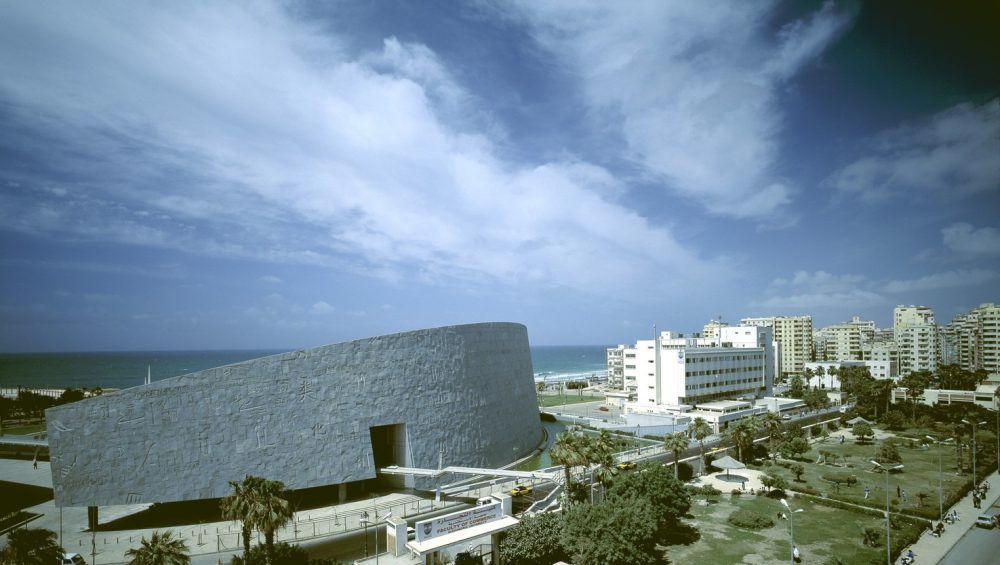
For a change of pace, head north to Alexandria, a city founded by Alexander the Great. This Mediterranean gem offers a mix of ancient history and modern culture. Visit the Bibliotheca Alexandrina, a modern tribute to the legendary ancient library, and the Citadel of Qaitbay, a 15th-century fortress built on the site of the ancient Lighthouse of Alexandria. Strolling along the Corniche, you’ll feel the echoes of Hellenistic and Egyptian civilizations blending seamlessly.
Experiencing Egyptian Culture Today
Modern Egypt is as vibrant as its past. From bustling markets and aromatic spices to traditional music and dance, the country’s culture is alive and welcoming. Don’t miss:
- Khan El Khalili Bazaar in Cairo: A labyrinth of alleys where artisans sell everything from handcrafted jewelry to papyrus art.
- Traditional Egyptian Cuisine: Indulge in koshari, ful medames, and freshly baked baladi bread.
- Local Festivals: Time your visit to witness festivals like Sham El-Nessim, celebrating spring with music, food, and local customs.
Adventure Beyond the Monuments
For those who crave adventure, Egypt offers deserts, mountains, and Red Sea beaches. Take a desert safari in the White Desert, hike in the Sinai Mountains, or dive in the coral-rich waters of Sharm El Sheikh or Hurghada. Walking where the pharaohs once ruled doesn’t mean limiting yourself to history—you can explore natural wonders that feel timeless in their own right.
Practical Tips for Exploring Like a Pharaoh
- Plan Ahead: Some sites, like the Grand Egyptian Museum, require advance tickets for full access.
- Hire Knowledgeable Guides: To truly understand the history and legends, a guide’s stories can bring monuments to life.
- Respect Local Customs: Modest clothing is recommended when visiting religious sites.
- Stay Hydrated: Egypt’s climate can be harsh, so carry water and sunscreen, especially when exploring desert areas.
The Pharaoh Within You
Walking in Egypt is more than a sightseeing trip; it’s a journey through the lives of kings and queens, artisans and scribes, soldiers and priests. Each stone tells a story, each river bend whispers secrets of the past, and each sunset over the Nile invites reflection. Whether you marvel at the engineering genius of the pyramids, trace hieroglyphics in ancient tombs, or sail on the river that sustained a civilization, you can’t help but feel the spirit of the pharaohs guiding your journey.
Egypt doesn’t just exist in history books—it’s alive, inviting you to walk like a pharaoh and discover a world where legends were born.