
Respect the Past, Embrace the Present: Cultural Tips for Egypt Travelers
Egypt is a land where ancient wonders stand proudly beside a vibrant, modern culture. From the towering Pyramids of Giza to bustling Cairo streets and the peaceful villages along the Nile, every corner of the country offers something unique. But to truly enjoy your journey—and to show respect to the people who call Egypt home—it helps to understand the customs, etiquette, and rhythms of daily life.
Whether you’re visiting Egypt for the first time or returning for another adventure, these cultural tips will help you blend in, connect with locals, and experience the warm hospitality Egyptians are known for.
Greetings & First Impressions: Start with a Smile
Egyptians are naturally friendly, and a warm greeting goes a long way.
How to greet locals
- A simple “Salam Alaikum” (peace be upon you) is always appreciated.
- Handshakes are common between men, but men should wait for a woman to extend her hand first.
- Don’t be surprised if conversations start with questions like:
“Where are you from?” “Do you like Egypt?”
Egyptians love interacting with visitors!
Body language matters
- Maintain eye contact but avoid overly intimate gestures in public.
- Standing too close or touching can feel uncomfortable unless you have built rapport.
Dress Respectfully—Especially in Cultural or Religious Sites
Egypt is modest by tradition, even in big cities like Cairo or Alexandria.
For women
- Light, loose clothing is perfect.
- Shoulders and knees covered are ideal for mosques or rural areas.
- You don’t need to wear a headscarf except inside mosques.
For men
-
Shorts are acceptable in tourist areas, but long pants are better in religious or formal settings.
At the beach
- Resorts in Sharm El Sheikh, Hurghada, and Marsa Alam are very relaxed—bikinis and swimwear are normal.
- However, avoid swimwear outside beach areas.
Temple Etiquette: Respect Ancient Heritage
Egyptians take pride in their ancient sites, and visitors are expected to treat them with care.
- Do not climb ancient monuments unless it’s officially allowed.
- Photography is usually permitted, but always look for signs. Some indoor tombs ban flash or photos entirely.
- Avoid touching carvings or leaning on temple walls—centuries-old stone is more fragile than it appears.
Taking a moment to appreciate these places silently—or viewing them at sunrise or sunset—makes the experience unforgettable.
Dining & Food Culture: Hospitality Comes from the Heart
Egyptians often show their warmth through food.
Expect generosity
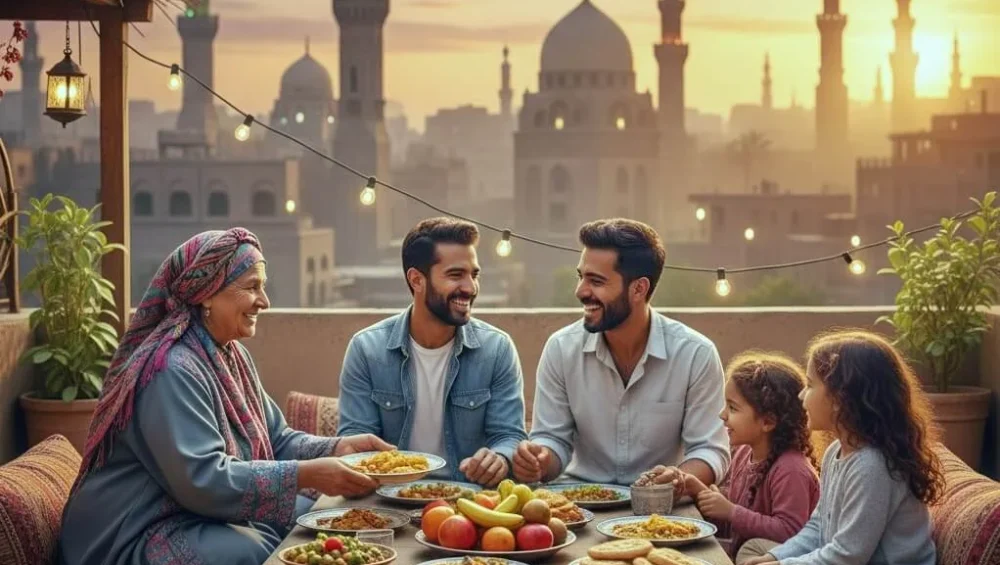
If you are invited for a meal, the host will treat you like family—usually offering much more food than you can finish.
Eating customs
- Avoid eating with your left hand, especially in traditional settings.
- Leaving a little food on your plate can signal you are full.
Try these classic dishes
- Koshari – a comfort-food favorite.
- Molokhia – a traditional, rich green soup.
- Mahshi – vegetables stuffed with herbs, rice, and spices.
- Egyptian tea and coffee – served strong and sweet.
If you show enthusiasm for Egyptian food, you’ll make friends quickly.
Photography with People: Always Ask First
Egyptians are friendly, but they value personal space—especially women and older people.
- Ask for permission before photographing locals, markets, or children.
- Many will say yes, but it’s a matter of politeness to ask first.
- If someone refuses, simply smile and move on.
Visiting Mosques: Enter with Respect
Egyptian mosques are peaceful places open to visitors outside prayer times.
What to keep in mind
- Remove your shoes before entering the prayer hall.
- Dress modestly. Women may be offered a scarf at the entrance.
- Keep your voice low; mosques are places of worship.
Guides can help you understand beautiful Islamic art, architecture, and the stories behind each mosque.
Bargaining in Markets: It’s All Part of the Fun
Souks and bazaars like Khan el Khalili operate on negotiation—it’s expected!
Tips for enjoyable bargaining
- Start with a friendly tone.
- Offer half of the first price and work upward.
- Smile—Egyptians love playful negotiation.
- If you’re not interested, politely say “La shukran” (no, thank you).
Shopping becomes a cultural experience, not just a transaction.
Transportation Etiquette: Navigating the Local Rhythm
Egypt’s cities are energetic—especially Cairo.
- Crossing streets: follow locals when possible!
- Taxis and Uber/Careem are safe and common—haggling for price is normal in taxis.
- Greeting your driver with a friendly hello creates a more pleasant experience.
Respect Personal & Religious Customs
Egypt is a Muslim-majority country with strong traditions.
Important reminders
- Public displays of affection should be minimal.
- During Ramadan, eating in public during fasting hours is acceptable for tourists—but be discreet and respectful.
- Avoid discussing religion or politics unless locals bring it up.
Embrace Egyptian Hospitality: It’s Genuine and Heartfelt
Egyptians take pride in making visitors feel welcome.
Expect:
- Offers of tea
- Helpful directions
- Friendly conversations
- Invitations to sit and chat
Accepting a small gesture with gratitude is a meaningful way to connect.
Final Thoughts: A Journey Through Time and Culture
Traveling in Egypt is more than seeing monuments—it’s about connecting with a culture deeply rooted in history yet lively and modern. When you respect local traditions, show curiosity, and embrace everyday moments, Egypt reveals its warmest side.
By honoring the past and appreciating the present, you’ll leave with unforgettable memories, new friendships, and a deeper understanding of this extraordinary country.